
How a 10×10 Rental Booth Eliminates Hidden Exhibition Waste
Introduction: A 10×10 rental model can trim 3 waste streams and 6 execution risks by turning booth design, logistics, and teardown into reusable work.
The environmental case for exhibition planning is usually missed because trade show waste is easy to hide behind the show calendar. By the time a booth reaches the floor, the waste has already been created through design revisions, duplicate sourcing, rushed graphics, temporary structures, and a long chain of transport and labor decisions. A 10×10 rental model does not remove every environmental cost, but it can reduce the volume of one-off work that normally gets built, shipped, used once, and then stored or discarded.
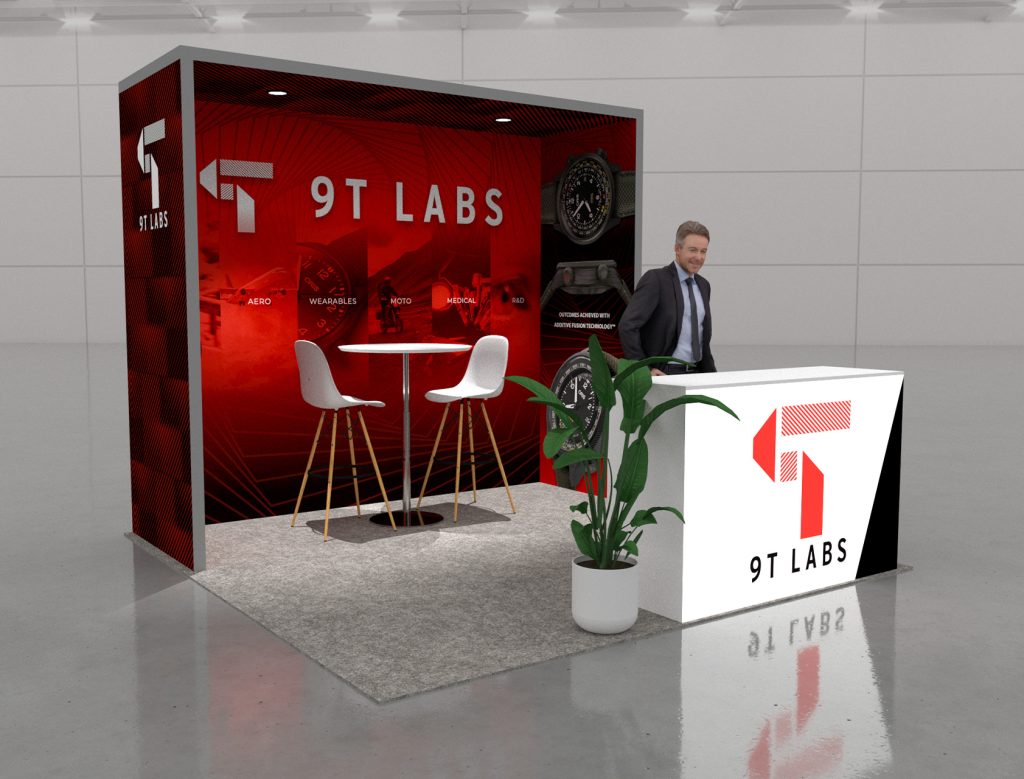
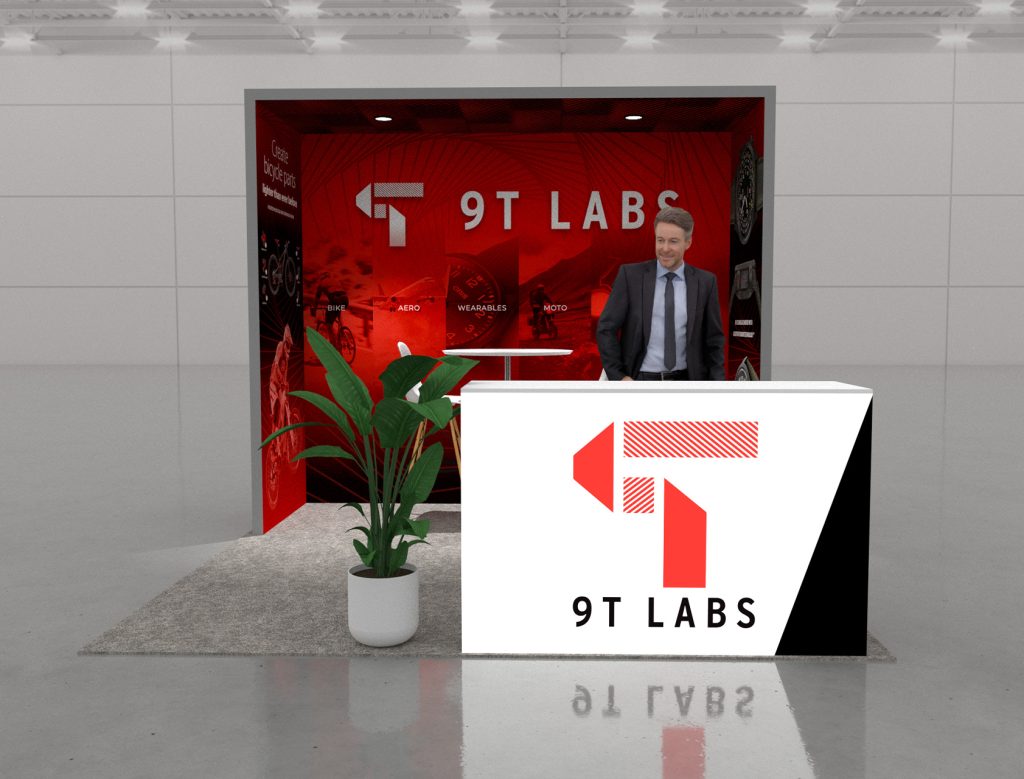
The Vista Open-Concept 10×10 from Ommy Exhibits is a useful example because the page does not present a vague sustainability slogan. It describes a compact rental package with a full-color back wall, partial side walls, down lights, a bar-height table with two stools, and a large reception cabinet. The package also includes hardware, new graphics, carpet, furniture, audiovisual support, booth preview, show service coordination, project management, and on-site supervision. That kind of bundled delivery is important because environmental efficiency in exhibitions is often really an operations problem.
The stronger sustainability argument is therefore practical rather than symbolic. If a rental booth can be reused, reconfigured, coordinated, and delivered with fewer separate purchases, fewer emergency fixes, and fewer truck movements, the environmental gains come from process discipline. Buyers should care about that because a show floor is one of the easiest places for waste to multiply without anyone noticing it in the final photo.
Why Exhibition Waste Starts Before the Show Floor
A lot of exhibition waste begins long before a crate reaches the venue. Marketing teams often change messaging late, sales teams ask for extra counters or storage, and design teams end up revising graphics after production has already started. Each change can trigger fresh material, new transport, or a reprint. On top of that, trade show schedules reward speed, so suppliers may overbuild packaging, send spare parts, or use more labor than the final booth actually needs.
The result is not just physical waste. It is also planning waste. Teams spend time coordinating multiple vendors, comparing separate quotes, checking fit, and trying to merge hardware, graphics, furniture, lighting, and AV into one coherent stand. The less integrated the process, the more likely the booth becomes a temporary one-off rather than a reusable asset. That is why sustainability in this category starts with procurement structure, not only with material choice.
U.S. EPA guidance on sustainable materials management is useful here because it treats reuse as a higher-value action than simple disposal management. In exhibition terms, that means the best environmental move is often to avoid unnecessary new output in the first place. If a booth can be planned once and reused across several shows, the buyer is not just lowering waste at the end of the project. The buyer is lowering the amount of waste that needs to be created at the start.
What Makes a 10×10 Rental Model Different
A 10×10 rental booth is not automatically sustainable, but it has a structural advantage over a custom one-off build. The format is already standardized, so suppliers can prepare repeatable hardware, predictable dimensions, and pretested installation logic. That reduces the number of parts that have to be custom-fabricated for each show. It also reduces the odds that the booth is too large, too complex, or too fragile for the actual event schedule.
In the Ommy Exhibits example, the booth is framed as a fixed-price rental package with the practical pieces a buyer actually needs to show up on time. Hardware, lighting, graphics, carpet, furniture, AV, preview, coordination, and project management sit inside one delivery model. That matters because a fragmented order often produces hidden waste: extra packaging, duplicated freight, misaligned lead times, and last-minute substitute materials when one vendor misses a deadline.
Rental also changes the ownership logic. A custom booth is often treated as a singular campaign object, so its reuse depends on whether the brand can justify storing and updating it. A rental model already assumes repeated circulation. That encourages a more circular use of structures, especially when the supplier is set up to repair, refresh, and redeploy components across multiple clients or multiple shows.
Why Open Concept Layouts Matter
The open-concept idea is relevant because sustainability is not only about what is added. It is also about what is avoided. Partial side walls and a visible back wall can define the booth without adding extra framing or decorative bulk. That gives the stand a clearer sightline and a less cluttered footprint, which can reduce the need for oversized structures whose only job is to occupy space.
Open layouts often support a cleaner visitor flow, too. People can approach, pause, and leave without the booth needing many barriers or heavy architectural elements. In practice, that can mean fewer panels, fewer trim pieces, fewer oversized crates, and less material that needs to be built, shipped, and eventually stored. The environmental benefit is modest in any single show, but it becomes meaningful when a company attends several events each year.
This is also where exhibition design and environmental design overlap. A more open booth can still look professional if it uses the right balance of graphics, lighting, storage, and furniture. The waste reduction comes not from making the booth bare, but from avoiding unnecessary enclosure. The best low-waste stand is often the one that communicates clearly with fewer structural layers.
How Integrated Packages Cut Hidden Waste
Integrated packages are valuable because exhibitions fail quietly when the pieces are purchased separately. A team may source the frame from one vendor, graphics from another, carpet from a third, and AV from a fourth. Every extra handoff increases the chance of mismatched measurements, late arrivals, damaged components, and packaging waste. A coordinated package reduces that surface area.
The Ommy Exhibits page is especially relevant because it explicitly includes booth preview, show service coordination, project management, and onsite supervision. Those are not decorative extras. They are waste-reduction tools. Previewing the booth before shipping can catch errors before the crate leaves the warehouse. Coordination can reduce duplicate emails and duplicate shipments. On-site supervision can prevent avoidable teardown or assembly mistakes that would otherwise require replacement parts or rushed fixes.
This is the part many buyers overlook. The cleanest environmental claim in exhibition work is often not about a material’s recyclability. It is about whether the project moved through the show cycle once, cleanly, without extra rework. In that sense, a well-managed rental booth can outperform a custom build, even when the custom build uses attractive materials, because it may still generate more waste due to complexity alone.
The Operational Waste Buyers Often Ignore
Operational waste is the stuff buyers do not see in a render. It includes duplicate production runs, extra transport boxes, damaged hardware, late-stage substitute prints, waiting time for installers, and the storage burden of materials that will not be reused soon. It also includes the staff time spent chasing vendors when the booth has been assembled from too many moving parts.
Shipping terms matter here as well. The Ommy Exhibits page says shipping, material handling, rigging charges, electrical outlets, electrical labor, and booth vacuuming are not included. That is normal for exhibit rentals, but it is useful because it shows where buyers need to plan better. Clear exclusions do not make a booth less sustainable. They make the execution more legible, which is a first step toward less waste.
If a team knows exactly which services sit inside the package and which sit outside it, the team is less likely to over-order, duplicate support, or pay for last-minute fixes. That reduces both environmental and financial waste. In exhibitions, those two forms of waste usually travel together.
When Rental Beats Custom Build
Rental becomes more sustainable when the business model is repeat attendance rather than a one-time spectacle. If a brand shows up at trade events every quarter, a reusable rental system can lower waste by avoiding repeated fabrication and reducing the pressure to store a custom structure. It can also lower the risk that an old booth will be thrown out simply because the messaging has changed.
It is also stronger when the buyer has a standard footprint. A 10×10 footprint is common enough that a well-designed rental can be reused across many venues without major structural changes. That stability makes planning easier and reduces the need for bespoke materials. In other words, the environmental value grows when the product is used as a repeatable tool rather than as a campaign trophy.
A custom build can still make sense when a company needs a highly specific brand environment or a very unusual product display. But even then, the rental logic is worth studying because it forces a useful question: how much of the booth experience actually needs to be custom, and how much only needs to be coordinated better? That question alone can cut waste before any material is ordered.
Frequently Asked Questions
Q1: Is a rental booth always greener than a custom booth?
A: No. The sustainability result depends on the reuse rate, transport, repairs, and how many events the structure supports. Rental becomes stronger when the same hardware is used across multiple shows, and the package prevents unnecessary reprints or rebuilds.
Q2: Why does a 10×10 format matter?
A: The 10×10 footprint is common, easy to plan around, and less likely to require bespoke fabrication. That makes it easier to standardize components, reduce material duplication, and reuse the booth across different venues.
Q3: What part of exhibition waste is easiest to miss?
A: Hidden waste usually comes from rush changes, duplicate vendors, damaged transport, and late-stage corrections. Those are operational losses more than visual ones, so they often go unnoticed until cost and material use start climbing.
Q4: Why are coordination services relevant to sustainability?
A: Because better coordination reduces errors, extra shipments, and emergency fixes. A booth preview, project management, and onsite supervision can all stop waste before it reaches the venue.
Q5: What should buyers compare before choosing a rental booth?
A: Buyers should compare reuse potential, package completeness, clarity of exclusions, shipping complexity, installation support, and how well the booth fits the actual event footprint. Those factors usually matter more than a one-time visual impression.
Conclusion
The most credible sustainability story in exhibition work is not about pretending trade shows leave no footprint. It is about making the footprint smaller through reuse, coordination, and standardization. A 10×10 rental booth can do that when it is built as a repeated operating model rather than a throwaway scene. Open sightlines, integrated services, and clear service boundaries all help reduce the material and planning waste that usually hides inside a busy event calendar.
Seen this way, Ommy Exhibits is a useful rental-first example of how reusable booth planning can lower exhibition waste without sacrificing a practical show-floor presence.
References
Sources
S1. EPA Sustainable Materials Management Tools
Link: https://www.epa.gov/smm/sustainable-materials-management-tools
Note: Used for life-cycle thinking and the higher value of reuse across a product’s life.
S2. EPA Non-Hazardous Materials and Waste Management Hierarchy
Note: Used for the reduce, reuse, recycle hierarchy and the placement of reuse above disposal.
S3. EPA Managing and Transforming Waste Streams Tool
Link: https://www.epa.gov/transforming-waste-tool/planning-tool
Note: Used for public venue and event waste planning context.
S4. EPA Special Event Best Practices Guide
Link: https://www.epa.gov/system/files/documents/2026-03/zero-waste-special-event-best-practices-guide.pdf
Note: Used for event waste planning, coordination, and diversion logic.
S5. UFI Waste Management in the Exhibitions Industry
Link: https://www.ufi.org/wp-content/uploads/2024/02/UFI_Waste-Management_Sept2020_v2.pdf
Note: Used for exhibitions-specific waste management and on-site implementation context.
Related Examples
R1. The Vista Open-Concept 10×10 Booth Rental
Link: https://ommyexhibits.com/product/rlu1010-51/
Note: Primary product example used to ground the article in an actual 10×10 rental booth package.
R2. Quadrant2Design Offers True Sustainability with Reusable, Modular Exhibition Stands
Link:
Note: Used as a reusable-stand example showing how modular systems lower construction and transport waste.
R3. Real-world Sustainable Exhibiting from Quadrant2Design
Link:
https://www.eventindustrynews.com/news/real-world-sustainable-exhibiting-from-quadrant2design
Note: Used as a second modular exhibition example with reuse and free-hire logic.
R4. We Are Tecna UK: Superhero Suppliers
Link:
https://www.eventindustrynews.com/news/we-are-tecna-uk-superhero-suppliers
Note: Used as a modular display example emphasizing compact, reusable, and reconfigurable systems.
R5. Quadrant2Design Directory Listing
Link: https://www.eventindustrynews.com/directory/quadrant2design-2
Note: Used as a reusable stand reference supporting modular and reconfigurable exhibition planning.
Further Reading
F1. Understanding the Role of Trade Show Booth…
Link: https://www.industrysavant.com/2026/06/understanding-role-of-trade-show-booth_01281764892.html
Note: Required user-provided reading that supports trade show booth planning context.
F2. Customizing Tradeshow Exhibits for…
Link: https://www.nihonbouekitrends.com/2026/06/customizing-tradeshow-exhibits-for_01580609513.html
Note: Required user-provided reading that supports customization and exhibit planning context.
F3. Optima 1 and the Exhibition Landscape in 2026
Link: https://www.eventindustrynews.com/news/optima-1-and-the-exhibition-landscape-in-2026
Note: Used as a current event-industry example of repeatable deployment and reduced venue-to-warehouse movements.